
Table of Contents
ToggleWhat Is Žižole?
I’ll be honest — the first time I saw the word Žižole, I had no idea how to pronounce it, let alone what it was. Ends up, it’s one of those things you’ve probably walked right past without realizing it had a name.
Žižole (say it: zhee-ZHO-leh) is the Italian name for jujube fruit — the small, reddish fruit that grows on the *Ziziphus jujuba* tree. You might also hear them called Chinese dates, red dates, or just jujubes, depending on who you’re talking to and where they’re from. Same fruit, a dozen different names.
They’re not tropical, not exotic in any dramatic sense — just a hardy little fruit that grows quietly in warm climates all over the world. What makes them interesting is that despite being consumed by billions of people across Asia, the Middle East, and the Mediterranean for literally thousands of years, most people in Western countries have never tasted one. That’s a real shame, because once you do try them, they tend to stick with you.
In terms of what they actually are — botanically speaking, Žižole belong to the buckthorn family (Rhamnaceae). The tree itself is tough, drought-resistant, and not particularly fussy about soil. Which maybe explains why it’s survived and thrived across so many different continents and climates for so long.
A Long History — Longer Than You’d Expect
Most things get labeled “ancient” a bit loosely these days. Žižole genuinely earn it.
Archaeological and written records trace jujube cultivation back at least 4,000 years in China. That puts them in the same era as early bronze tools and the first Egyptian pharaohs. They weren’t just eaten — they were embedded into Chinese culture in a way that few other foods have been. Wedding ceremonies, traditional feasts, royal kitchens, folk medicine practices — jujubes showed up in all of it.
Chinese farmers, over those thousands of years, developed hundreds of different varieties. Some bred for size, some for sweetness, some specifically for drying. That level of agricultural investment doesn’t happen with a fruit people are lukewarm about.
From China, the jujube tree traveled. Slowly, over centuries, along the trade routes that connected Asia to the rest of the world — particularly the Silk Road. By the time it reached the Mediterranean, it had already picked up roots (both literal and cultural) across Central Asia, Persia, and the Arab world.
The Romans grew them. Ancient Egyptians cultivated them beside the Nile. And when the fruit arrived in Italy, it found a particularly warm reception in the northern regions — Veneto, Emilia-Romagna, Lombardy. The Italians called them *giuggiole*, and they loved them enough to build an idiom around them. “Andare in brodo di giuggiole” — literally “to go into jujube broth” — is an Italian expression that means to be completely overjoyed. Not many fruits get their own idiom.
In India, Ayurvedic practitioners recommended them for digestive health and emotional balance. In the Arab medical tradition, they were used to treat respiratory complaints and fevers. These weren’t random guesses — generations of careful, accumulated observation. And now, interestingly, modern nutritional science is starting to catch up with what those practitioners seemed to know intuitively.
What Žižole Actually Look Like — and Taste Like
This is where things get fun, because Žižole are one of those rare fruits that genuinely transform as they ripen. Same fruit, completely different experience depending on when you eat it.
Fresh off the tree
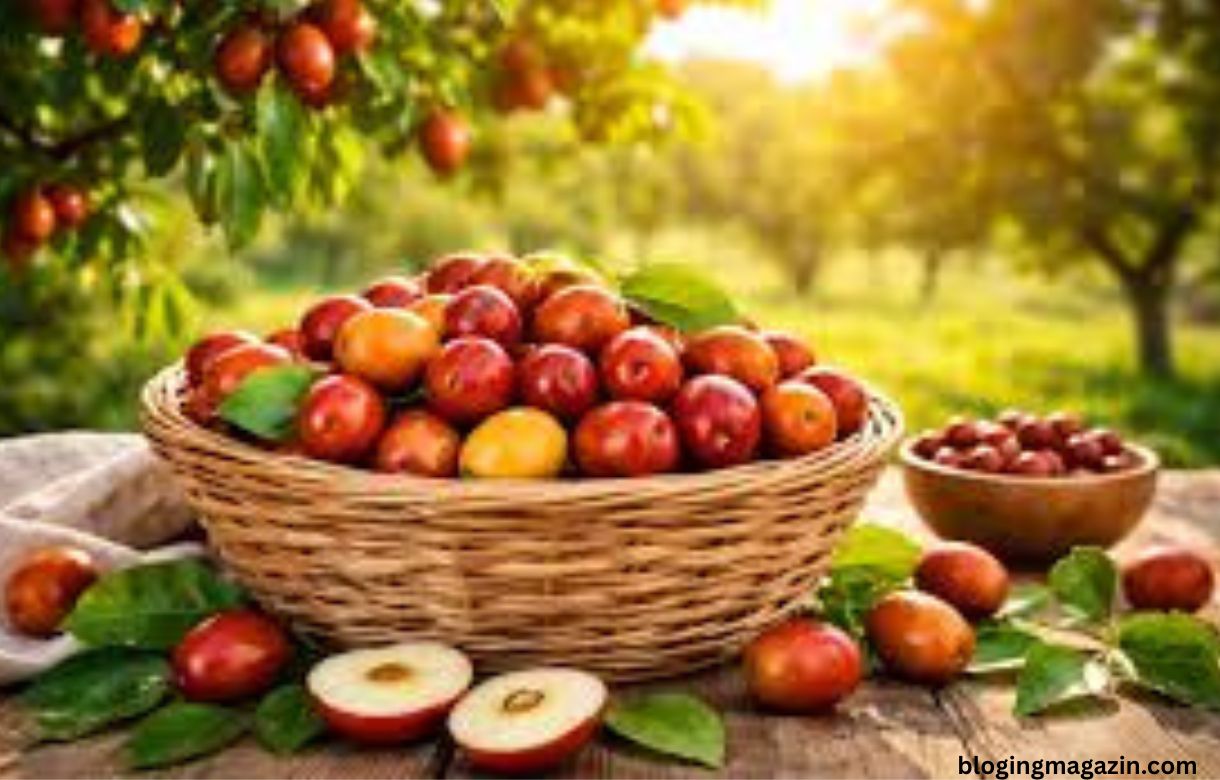
They’re small — somewhere between a large grape and a small plum, maybe 2 to 4 centimeters. When unripe, the skin is smooth, firm, and bright green. Bite into one at this stage and you get something surprisingly apple-like. Crisp, slightly sweet, a hint of tartness. Very refreshing, actually. Kids tend to go for them immediately because they don’t have the sharpness that puts people off a lot of fresh fruit.
Fully ripe
As they ripen, Žižole shift color — yellow-green first, then a warm russet red, almost like a small apple blushing. The flesh softens, the sweetness deepens, and there’s this faint floral note that shows up. Still firm enough to bite cleanly, but juicier. At peak ripeness, they’re genuinely delicious in a way that’s hard to describe without sounding like an overenthusiastic food writer.
Dried
This is how most people encounter them — and honestly, it’s a perfectly good introduction. Dried Žižole look like small, wrinkled dates. The skin darkens to a deep reddish-brown, the flesh becomes chewy and dense, and the flavor concentrates into something rich and caramel-sweet. If you’ve had a Medjool date, you’re in roughly the same neighborhood — but Žižole are a bit lighter, slightly less sugary, with a more complex aftertaste.
The pit inside is hard and not edible, so you work around it — same as you would with an olive or a cherry. Simple enough.
One thing worth noting: there’s no real bitterness to Žižole, even when underripe. That makes them broadly appealing. People who normally don’t gravitate toward fruit often find them easy to enjoy.
What’s Actually Inside Them — The Nutrition
Small fruit, serious nutrition. That’s the short version.
Per 100 grams of fresh Žižole, you’re looking at roughly 79 calories — which is modest — along with about 20 grams of carbohydrates (mostly natural sugars), around 1.2 grams of protein, and barely any fat. That basic profile is fine, but not the headline.
The headline is **Vitamin C**. Fresh Žižole contain approximately 69mg of Vitamin C per 100 grams. That’s more than an orange, and it covers roughly 77% of an adult’s daily requirement in a single serving. For a fruit most people in the West have never heard of, that’s a striking number.
Beyond Vitamin C, Žižole offer a solid potassium content (around 250mg per 100g), meaningful amounts of iron, phosphorus, and manganese, and a range of B vitamins — B6, riboflavin, niacin — that support energy production and neurological function.
Then there are the plant compounds. Polyphenols, flavonoids, saponins, triterpenic acids. These are the molecules that show up in research studies with titles that take three readings to understand — but the short version is that they function as antioxidants, helping the body deal with the kind of cellular stress that accumulates over time and contributes to inflammation and chronic illness.
Dried Žižole are more calorie-dense (the water content drops, concentrating everything), but they also deliver significantly more fiber — which is useful in its own right.
Also Read:
GetWildfulness.com – Where Nature, Wellness & Adventure Unite
Health Benefits — What the Research (and History) Suggests
Here’s where I want to be clear about something: Žižole are food, not medicine. But food can do a lot. And in the case of Žižole, the combination of a long history of medicinal use and a growing body of modern research makes for an interesting conversation.
- Sleep and the nervous system
This is probably the most well-documented traditional use of Žižole — specifically the seeds. Compounds called jujubosides (A and B) found in the seeds appear to have a calming effect on the nervous system, interacting with GABA receptors in the brain. GABA is essentially the brain’s braking system — it slows things down. This is why jujube seed extract has started appearing in natural sleep supplements. Whether it works as reliably for everyone as traditional Chinese medicine suggests is still being studied, but the biological mechanism is real.
- Antioxidant activity
The Vitamin C content alone makes Žižole a meaningful contributor to antioxidant defense. Add in the polyphenols and flavonoids, and you’ve got a fruit that actively helps the body deal with oxidative stress — the kind that builds up from things like processed food, pollution, and plain old aging.
- Gut health
Traditional medicine across multiple cultures used Žižole specifically for digestive complaints — bloating, irregularity, stomach discomfort. The fiber supports a healthier gut microbiome, and some animal-based studies have pointed toward a protective effect on the stomach lining. Human studies are still limited, but the reasoning is sound.
- Immune support
Almost 80% of your daily Vitamin C in one serving. Vitamin C drives white blood cell production, supports skin barrier function, and helps the body mount a faster recovery from illness. Traditional practitioners across Asia, the Middle East, and Europe all pointed to jujubes as a winter immune food — long before anyone had a name for vitamins.
- Anxiety and stress
Related to the sleep mechanism — the same GABA-interacting compounds appear to have a mild anxiolytic (anti-anxiety) effect. Not sedating in a clinical sense, but calming. For people who manage chronic low-level stress and are looking for food-based approaches, this is worth knowing about.
- Heart health
The potassium in Žižole helps maintain healthy blood pressure by counteracting the effects of sodium and supporting proper blood vessel function. The antioxidant compounds contribute to this picture by reducing the inflammation that can damage arterial walls over time.
- Bones
Calcium, magnesium, and phosphorus — all present in Žižole, all important for bone density and structural health. No single food is going to carry bone health on its own, but Žižole contribute to the overall picture.
What to Do With Them — Practical Uses
If you manage to find Žižole, here’s what you can actually do with them.
- Eat them fresh
Honestly the simplest and probably the best starting point. Rinse, eat, enjoy. No prep needed. That apple-like crunch is particularly satisfying as an afternoon snack when you want something sweet but not heavy.
- Use dried ones like dates
Swap them into anything you’d normally make with Medjool dates — energy balls, stuffed with nut butter, blended into smoothies, chopped into oatmeal. They behave similarly but tend to be slightly less sticky and a bit lighter in flavor.
- Make tea
In Korea, jujube tea (*daechu cha*) is a household staple — dried jujubes simmered slowly with ginger and honey. The result is a warming, gently sweet drink that’s become popular in East Asian wellness culture for good reason. Easy to make at home if you have dried jujubes, a pot, and 20 minutes.
- Add to soups and stews
In Chinese cooking, dried jujubes go into broths and restorative soups — not for sweetness exactly, but for depth. Red date chicken soup is a classic. In Korean *samgyetang*, whole jujubes are stuffed inside the chicken along with ginseng and glutinous rice. In North African tagines, they balance smoky, savory spices beautifully.
- Bake with them
Chop dried Žižole and fold them into muffins, banana bread, or cookie dough the same way you’d use raisins or dried cranberries. The caramel sweetness works particularly well with cinnamon, cardamom, and warming autumn spices.
- Jam and preserver
In Italian households where giuggiole trees still grow in the garden, autumn means jam-making. Jujube jam is thick, ruby-colored, and deeply sweet — good on bread, good with cheese, good stirred into yogurt.
- Fermented into wine
In Veneto, *vino di giuggiole* is a genuine regional specialty — a light, aromatic wine made from fermented jujubes in small autumn batches. It’s not easy to find outside of Italy, but worth seeking out if you’re ever there.
Where to Actually Find Žižole
Fresh Žižole have a narrow window — typically August through October, depending on climate. Your best options for fresh fruit are Asian supermarkets (particularly Chinese or Korean grocers), Middle Eastern specialty shops, and farmers’ markets in warmer regions.
Dried jujubes are much easier to find year-round. Most Asian grocery stores carry them, as do health food shops and online retailers. When buying dried, look for ones with a deep, even reddish-brown color and avoid any that look overly pale or show signs of mold.
If you live somewhere warm and sunny (roughly USDA zone 6 or higher), jujube trees are worth growing. They’re genuinely low-maintenance — drought-tolerant, rarely bothered by pests, and productive once established. A single mature tree can yield a substantial harvest every year.
Worth Knowing
Žižole are one of those things that make you realize how much of the food world has been sitting quietly in the background while a handful of trendy options get all the attention. No clever marketing. No celebrity endorsement. Just a fruit with a four-thousand-year track record and a flavor that holds up completely on its own terms.
Try them fresh if you can find them. Brew them into tea on a slow Sunday. Toss a handful of dried ones into your next batch of granola. You don’t need a complicated reason — sometimes a good piece of fruit is just that.
Tried Žižole before? Come across them at a market or in your grandmother’s kitchen? Drop a comment — there are always more stories connected to this fruit than you’d expect.*
Explore:
Why Foodies Love NorstratiamRestaurant.com – A Flavorful Journey Awaits + 10 Irresistible Reasons




One thought on “# Žižole — The Tiny Fruit That’s Been Around Forever”
Comments are closed.