Search “digital PR for SEO” right now and almost everything you find is a sales page wearing a guide’s clothes. An agency walks you through what digital PR is, name-drops Forbes and Yahoo Finance, and ends with a “Book a call” button. That’s not wrong, exactly — it’s just not written for someone doing this alone, without a retainer, without a media relations team, without a client budget to point at a placement.
This is the version for that person.
Digital PR isn’t a replacement for the rest of your SEO work. It’s the layer that sits on top of it — the thing that starts working once your on-page fundamentals and keyword targeting are already solid, not instead of them.
What is digital PR, actually?
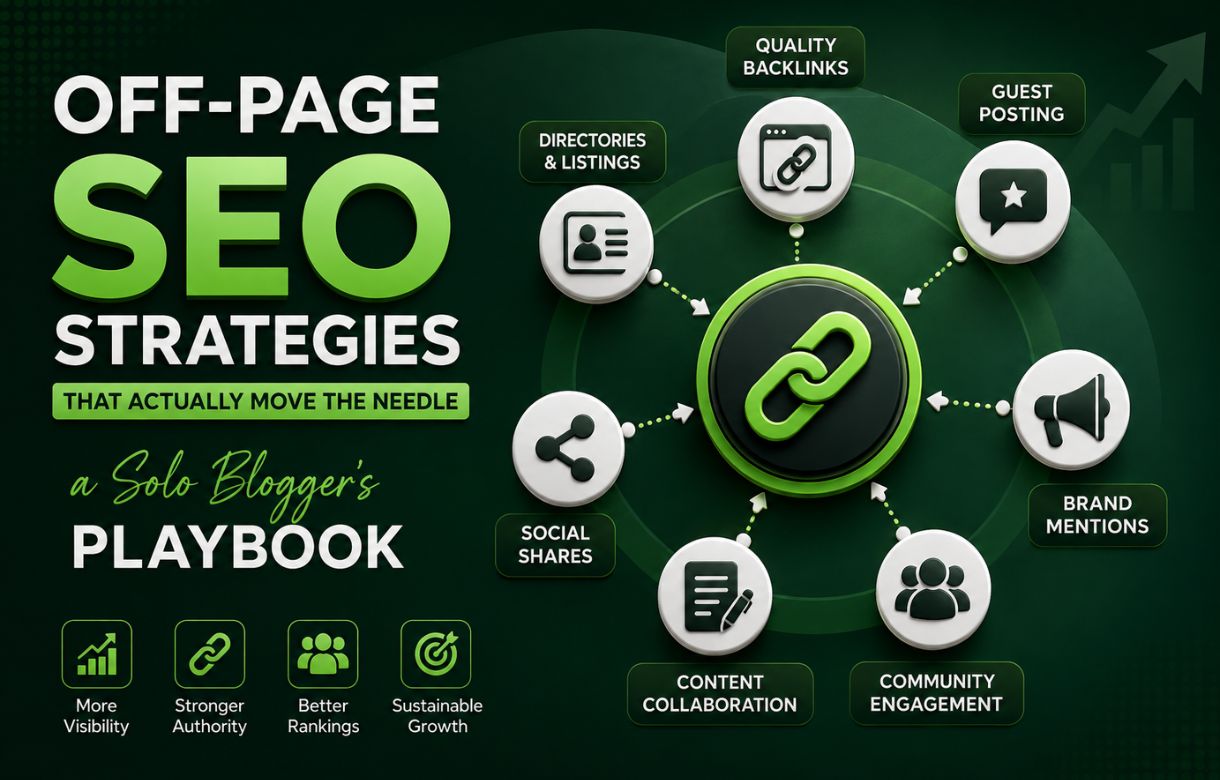
It’s earning coverage and backlinks by giving journalists a reason to write about you — not by asking them to link to something you already published.
That distinction matters more than it sounds like it should. Traditional link building usually starts with content you’ve already made and then goes looking for someone willing to link to it. Digital PR flips the order: you build or find something genuinely newsworthy first — a data point, an expert take, a useful tool — and the link follows because a journalist decided your input was worth including, not because you asked for a favor.
It’s also worth separating from paid placement. A sponsored article or advertorial is content you write and pay to have hosted somewhere with your name on it. An editorial mention is something a journalist chose to include because it served their story. Google treats these very differently — paid placements are meant to be marked nofollow or sponsored, while genuine editorial links pass full authority. If an agency is quietly blurring that line for you, that’s worth knowing before you pay for it.
There’s a newer wrinkle worth naming here too: the coverage you earn doesn’t just feed Google anymore. It’s increasingly a source AI engines lean on when they’re building an answer, which is a separate discipline with its own signals — the practical version of that, aimed at how it plays out for agencies, is worth reading in generative engine optimization.
Why does this matter more in 2026 than it used to?
Because the destination isn’t just Google’s results page anymore — it’s increasingly an AI-generated answer, and those pull from a narrower, more specific set of sources than a traditional search results page does.
When someone asks ChatGPT or Google’s AI Overview a question, the model isn’t ranking your page against ten competitors and picking one. It’s synthesizing an answer from whichever sources it judges reliable enough to cite, often pulling in expert commentary, data points, and third-party validation more than static “here’s everything you need to know” content. A brand mentioned in a Business Insider piece about industry trends is exactly the kind of source an AI model tends to lean on when it’s building an answer — even if that mention never directly targeted a specific keyword.
This is the part most digital PR content treats as a footnote instead of the headline. Earned coverage isn’t just competing for rankings anymore. It’s competing to be the thing an AI system decides to quote.
Do you need a PR agency to do this?
No — but it’s worth being honest about what an agency actually buys you, so you know what you’re replacing.
An agency brings existing journalist relationships, a faster news cycle response time, and the ability to run several pitches at once instead of one at a time. What they don’t have is anything magic — no secret backdoor to a journalist’s inbox that you don’t also have access to. What they’re really selling is speed and volume, purchased with money instead of time.
If you don’t have the budget, you’re trading their speed for your own patience. That’s a real trade-off, not a shortcut, and it’s worth setting that expectation before you start: this is slower than a retainer, and it’s supposed to be — the same patience the rest of the SEO roadmap asks for.
What can a solo blogger or small site actually pitch?
Four things, realistically, and none of them require a media list or a PR background to start.
Small-scale original data. You don’t need to survey ten thousand people. Pulling together a genuine pattern from 50–100 examples in your niche — analyzing pricing across a category, tracking a trend across a set of products, comparing a specific practice across a sample of sites — counts as original data if nobody else has published it. The size of the dataset matters less than whether the finding is real and specific.
Expert commentary through journalist request platforms. Sites like Qwoted, Featured, and the tools that replaced HARO after it shut its free tier let journalists post what they need quotes on, and let you respond directly. This is the lowest-effort entry point into digital PR — no pitch deck, just a fast, specific, useful answer to a question a reporter already asked.
Reactive commentary on trending stories. When something relevant to your niche breaks — a platform change, a new regulation, an industry shakeup — being one of the first people to publish a clear, specific take on it gives journalists something to reference while the story is still being written. Timing matters more than polish here.
A small free tool or calculator. Even a simple one — something that answers one specific question a visitor in your niche would actually want answered — becomes a natural thing for other sites to link to as a resource, without you ever pitching it directly.
None of these require you to have already mastered every part of SEO — but they land better once the pages you’re pointing people back to are actually solid, which is really just on-page SEO done properly before you go looking for outside attention.
How do you actually pitch a journalist?
By leading with the story, not the request.
A pitch that says “I have a great article on X, would you consider linking to it?” gets ignored, because it’s asking the journalist to do work for you. A pitch that says “Here’s a specific, verifiable finding, and here’s why it matters to your readers right now” gives them something they can use immediately.
Compare these two openings:
Weak: “Hi, I run a blog about digital marketing and wrote a comprehensive guide on SEO trends. I think your readers would find it valuable — would you be willing to link to it?”
Workable: “I looked at pricing across 80 mid-tier SaaS tools in [category] and found [specific number]% raised prices in the last two quarters — happy to share the breakdown if it’s useful for the piece you’re working on.”
The second one works because it’s specific, it’s already done the reader’s math for them, and it doesn’t ask for anything except five minutes of their attention. Subject lines follow the same rule — lead with the finding, not with your site name.
Picking which finding to lead with actually borrows the same instinct as keyword research — narrow and specific beats broad and impressive-sounding, whether you’re choosing a term to target or a data point to pitch.
Key FactsDigital PR for SEO
Earn coverage, don’t request links
Digital PR starts with a newsworthy angle — data, expert commentary, a useful tool — and the link follows because a journalist chose to include it, not because you asked.
Four formats that don’t need an agency
Small-scale original data, journalist request platforms, reactive commentary on trending stories, and simple free tools — all realistic for a solo site.
Editorial links beat paid placement
Genuine editorial mentions pass full authority. Paid or sponsored placements are meant to carry nofollow or sponsored tags instead.
Unlinked mentions still count
A brand mention without a clickable link still functions as a trust signal — for search engines, and increasingly for what AI systems choose to cite.
Results compound over months
A single placement rarely moves anything alone. Consistent, ongoing pitching is what actually shifts authority over time.
How do you measure if it’s working?
Slower than you’d like, and across more signals than just backlinks.
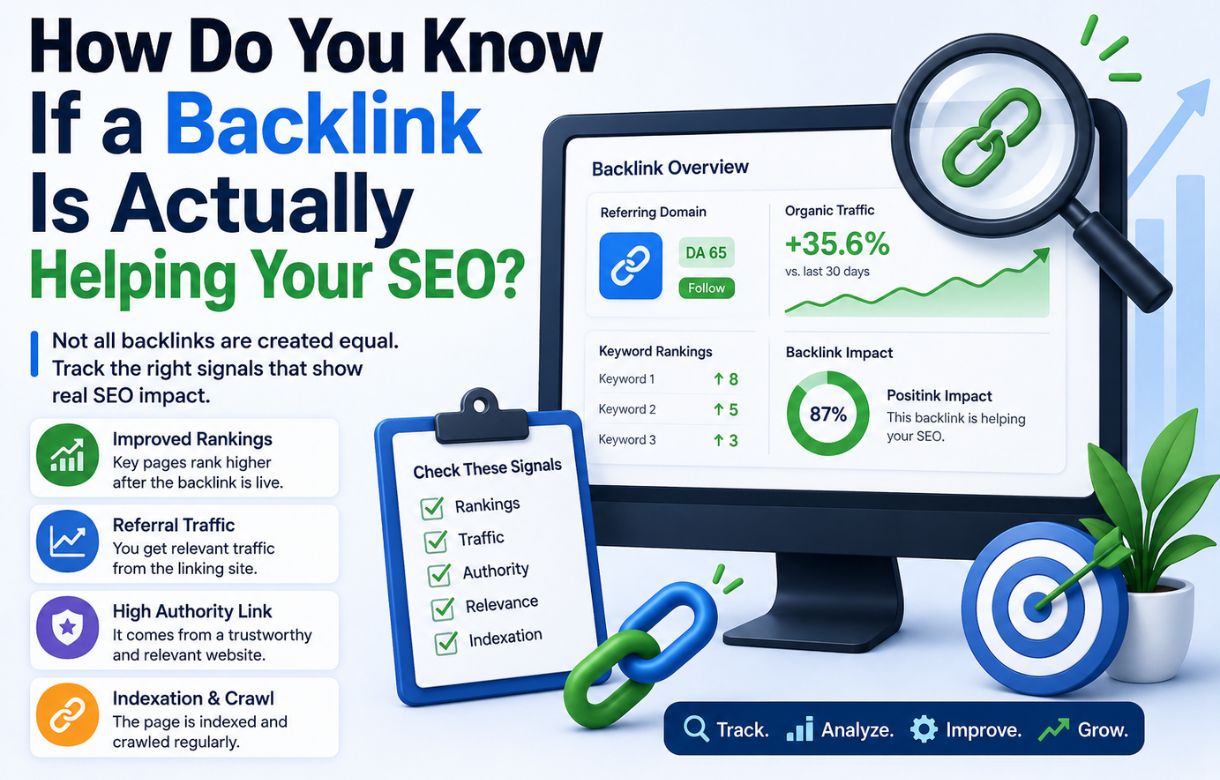
Referral traffic from the placement itself is the most immediate signal, but it’s often small — most of the value from a mention isn’t the click, it’s the authority signal. Track brand mentions, not just linked ones; an unlinked mention of your name on a high-authority site still functions as a trust signal search engines pick up on. Watch keyword movement across your site broadly over a few months, not just on the page that got mentioned.
The newer signal worth tracking in 2026: whether you start turning up as a cited source when you ask AI tools questions in your own niche. It’s manual right now — there isn’t a dashboard for this yet the way there is for search rankings — but it’s the clearest early read on whether your digital PR work is translating into AI visibility, not just traditional SEO.
Set the expectation early: this compounds slowly. A single placement rarely moves anything on its own. A pattern of them, over months, is what actually shifts authority.
What are the common mistakes?
Pitching without a real story. If the honest version of your pitch is “please link to my article,” rewrite it until there’s an actual finding, quote, or data point at the center.
Treating it like guest post outreach. Guest posting asks for space on someone else’s site. Digital PR earns unprompted coverage. Pitching a journalist the way you’d pitch a guest post editor — offering to write the piece for them — usually reads as exactly what it is, and gets declined.
Ignoring unlinked mentions. It’s tempting to only count wins that come with a clickable link. Brand mentions without a link still carry weight, especially for how AI systems and search engines both build a sense of who’s a credible, frequently-referenced source in a space. Track them anyway.
Sending one pitch and stopping. Digital PR is closer to a habit than a campaign. The people who see results are the ones responding to journalist requests weekly, not the ones who tried it once after reading a guide like this one.
FAQ
Is digital PR the same as link building?
No. Link building typically starts with existing content and looks for places willing to link to it — guest posts, directory listings, outreach emails asking for a link. Digital PR starts with a newsworthy angle and earns the link as a byproduct of a journalist choosing to cover it. The links that come out of digital PR tend to be harder to get and carry more weight for exactly that reason.
How much does digital PR cost if you do it yourself?
Mostly time, not money. Journalist request platforms are largely free to use. The real cost is the hours spent pulling together original data, monitoring requests, and writing pitches — which is the trade you’re making in place of an agency retainer.
Do unlinked brand mentions help SEO?
Yes, to a meaningful degree. Search engines and AI systems both pick up on how frequently a brand is referenced across credible sources, even without a direct link every time. It’s a slower, less measurable signal than a backlink, but it’s nothing.
How long does digital PR take to show results?
Longer than most other SEO tactics, and the results tend to arrive as a gradual shift in authority rather than a single traceable jump. Expect months before a pattern becomes visible, not weeks — this is a compounding strategy, not a fast one.