Search “PPC blog,” and almost every result is the same list: WordStream, PPC Hero, Search Engine Journal, the Google Ads blog, repeated across a dozen sites with slightly reshuffled rankings. That’s useful if you want to read about PPC. It’s not useful if you want to start one.
Starting a PPC blog in a space this saturated isn’t a content calendar problem. It’s a positioning problem, and most people who try skip straight past it.
Why Do Most New PPC Blogs Fail to Get Traction?
Because they compete on the same ground the giants already own. A generic “PPC tips for beginners” post has to outrank Search Engine Journal, WordStream, and HubSpot — sites with years of backlinks, huge editorial teams, and domain authority scores in the 80s and 90s. That’s not a fair fight, and no amount of publishing frequency changes it.
The blogs that actually break through do it by not competing on the generic ground at all.
What Should a New PPC Blog Actually Be About?
Something narrow enough that the giants haven’t bothered covering it in depth. A few real angles that work:
A specific platform combination nobody else documents well — running Google Ads and Reddit Ads together, for instance, or Amazon PPC alongside Meta. A specific vertical — PPC for local service businesses, PPC for SaaS trials, PPC for nonprofits — where generic advice from a big publisher genuinely doesn’t fit the constraints of that business type. Or a specific stage of spend — most PPC content assumes either a beginner with no budget or an agency managing six figures a month; there’s very little written for the business spending $500–$2,000 a month trying to make that work.
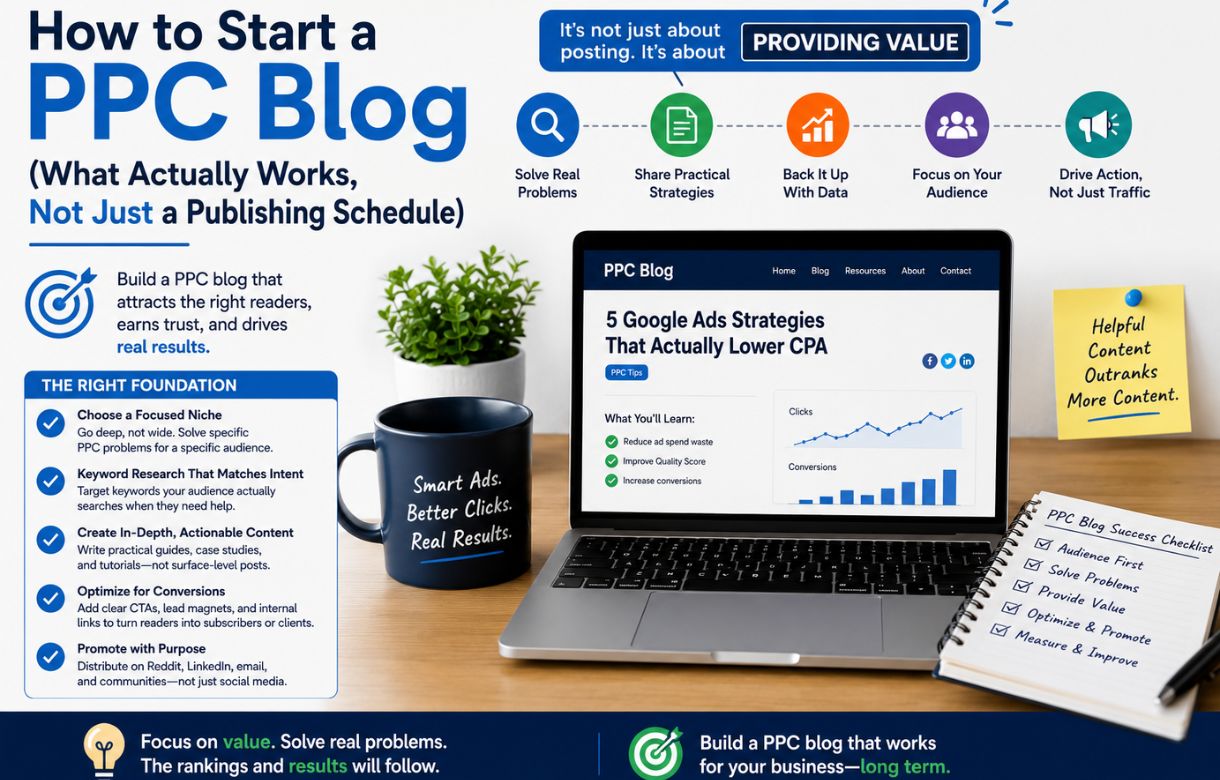
Pick the narrow thing before you pick the publishing schedule. The schedule doesn’t matter if the topic can’t win.
Do You Need Real Campaign Experience to Write Credibly About PPC?
Yes, more than in most niches. PPC content is unusually easy to fake and unusually easy to catch faking. Anyone can restate “improve your Quality Score” or “use negative keywords,” but readers who actually manage accounts can tell within a paragraph whether the writer has looked at a real dashboard or is paraphrasing someone else’s blog post.
If you’re not running campaigns yourself, the credible path is documenting someone else’s, transparently — client work with permission, a personal test budget, or a specific case study you can show real numbers from. Vague advice with no numbers attached is the first thing an experienced PPC reader learns to skip past.
What Format Actually Earns Trust in This Niche?
Screenshots and specific numbers, not polished advice. A post that says “we lowered CPA from $34 to $19 by restructuring ad groups around search intent, here’s the before-and-after” earns more trust — and more shares — than ten well-written paragraphs about the theory of ad group structure.
This is also where a genuinely new PPC blog can compete even against huge publishers: nobody scales real, specific campaign data the way they scale general advice. General advice is cheap to produce at volume. A real result with a screenshot isn’t.
How Technical Should the Writing Be?
Match it to the narrow audience you picked, not to “PPC readers” as a broad category. Someone new to Google Ads needs terms defined in plain language. Someone running a $50k/month agency book doesn’t want another explainer on what Quality Score means — they want a specific tactic they haven’t already read six times this year.
Trying to write for both at once is how a lot of PPC content ends up feeling generic — too basic for experts, too jargon-heavy for beginners, useful to neither.
Should You Cover Platform News, or Skip It?
Mostly skip it, unless you can genuinely be first or add real analysis. Platform news — a new Google Ads feature, an algorithm change — is where the big publishers have a structural advantage: they get briefed early, have full editorial teams, and can turn a story around in hours. A solo blog chasing the same news cycle is always going to be slower and thinner.
Where a smaller blog can compete on news is depth a few days later: what actually happened when real accounts tested the new feature, not just what the press release said it does.
How Do You Get the First Readers?
Not through SEO alone, at least not at first. A brand-new PPC blog has no authority to rank against entrenched competitors on any broad term, which is exactly why the narrow-topic strategy above matters — you’re aiming for search terms specific enough that nobody with more authority has bothered writing the definitive version yet.
Beyond that, the communities where PPC practitioners already gather — r/PPC, PPC-focused Slack groups, LinkedIn threads from known practitioners — are where a genuinely useful, specific post gets its first real readers, long before it ranks for anything.
Is It Worth Monetizing a PPC Blog Directly, or Using It as a Lead Channel?
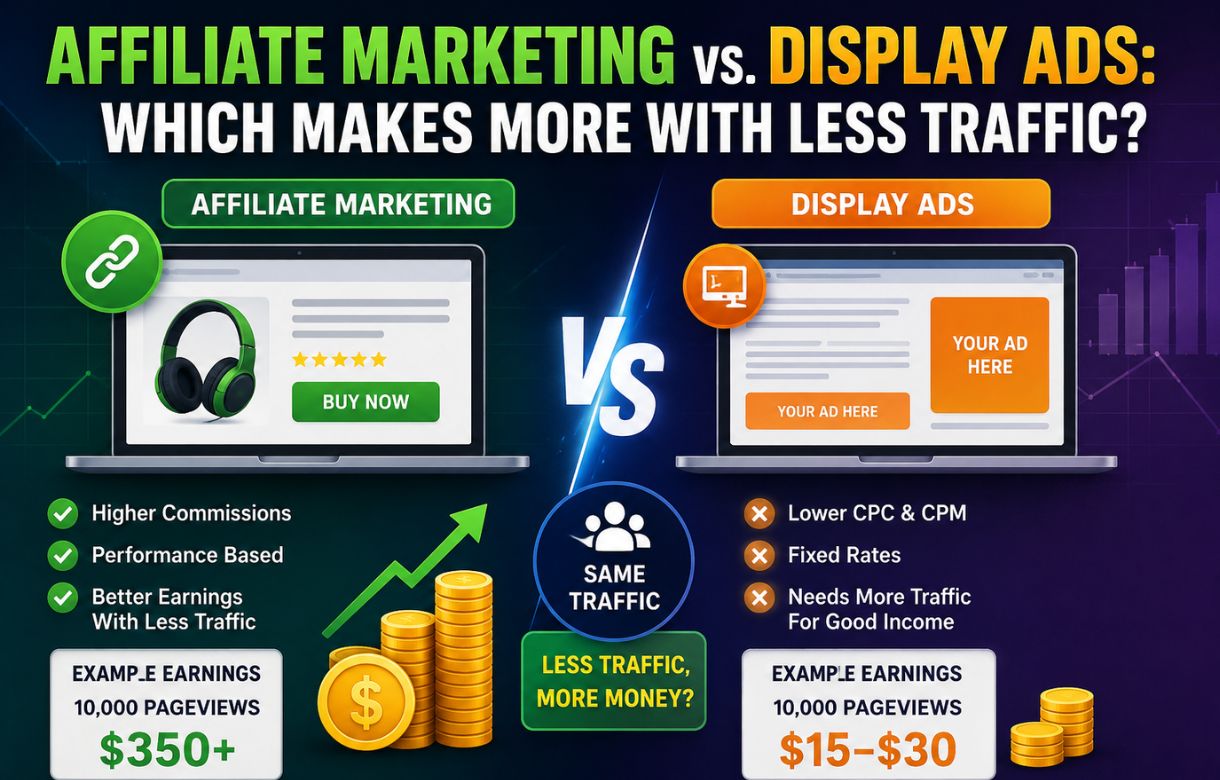
For most solo operators, it works better as a lead channel than a standalone income source. Direct monetization — display ads, affiliate links to PPC tools — needs real traffic volume to add up to much, and getting there in a niche this competitive takes time.
The more realistic path: the blog demonstrates expertise to potential clients or employers, and the actual income comes from managing PPC accounts, consulting, or a tool you’re building — not from the blog’s ad revenue.
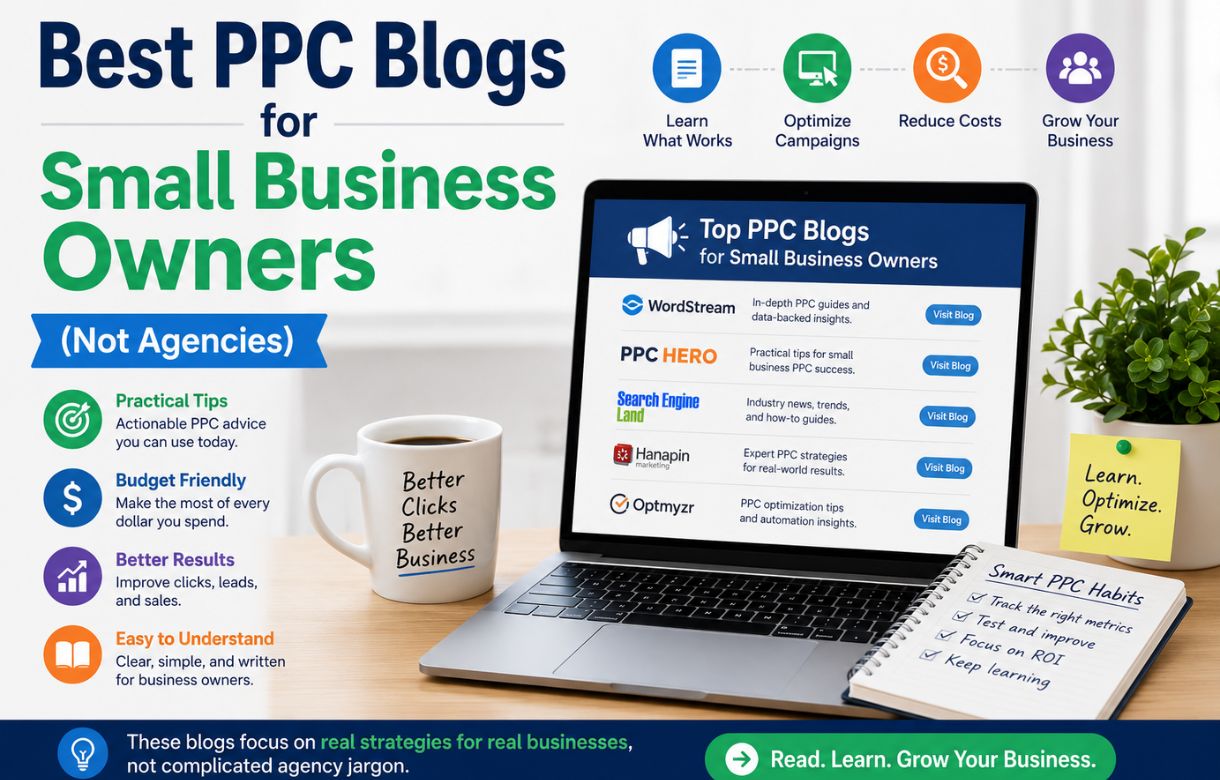
Before you publish anything, it’s worth knowing where your own future content should actually live — PPC Blog vs. Newsletter vs. Community: Where Should You Actually Learn? breaks down what each format is genuinely good for, which is useful both as a reader and as someone deciding what to build. And if you want a sense of what a genuinely differentiated blog roundup looks like instead of another generic “best of” list, Best PPC Blogs for Small Business Owners (Not Agencies) is a working example of the niche-first approach this article argues for.
Frequently Asked Questions
How long does it take for a new PPC blog to get real traffic?
Longer than most beginners expect, and it depends heavily on how narrow the topic is. A tightly scoped niche with real data behind it can start pulling relevant traffic within months; a generic “PPC tips” blog competing head-on with established publishers can take years to gain any footing, if it ever does.
Do you need a big budget to write credibly about PPC?
No. A small, honestly documented test budget — even a few hundred dollars run transparently — produces more credible content than vague advice with no real spend behind it at all.
Should a PPC blog cover multiple ad platforms or specialize in one?
Specializing tends to work better for a new blog. Covering Google Ads, Meta, Amazon, and LinkedIn all at once spreads a small operation too thin to go deep on any of them, which is exactly where the narrow angle needs to live to compete.
Is it too late to start a PPC blog in 2026?
Not too late, but too late to do it the generic way. The “best practices and tips” format is saturated. A specific vertical, a specific spend range, or a specific data-backed angle still has real room, because the giants tend to write for the broadest possible audience, not the narrowest one.